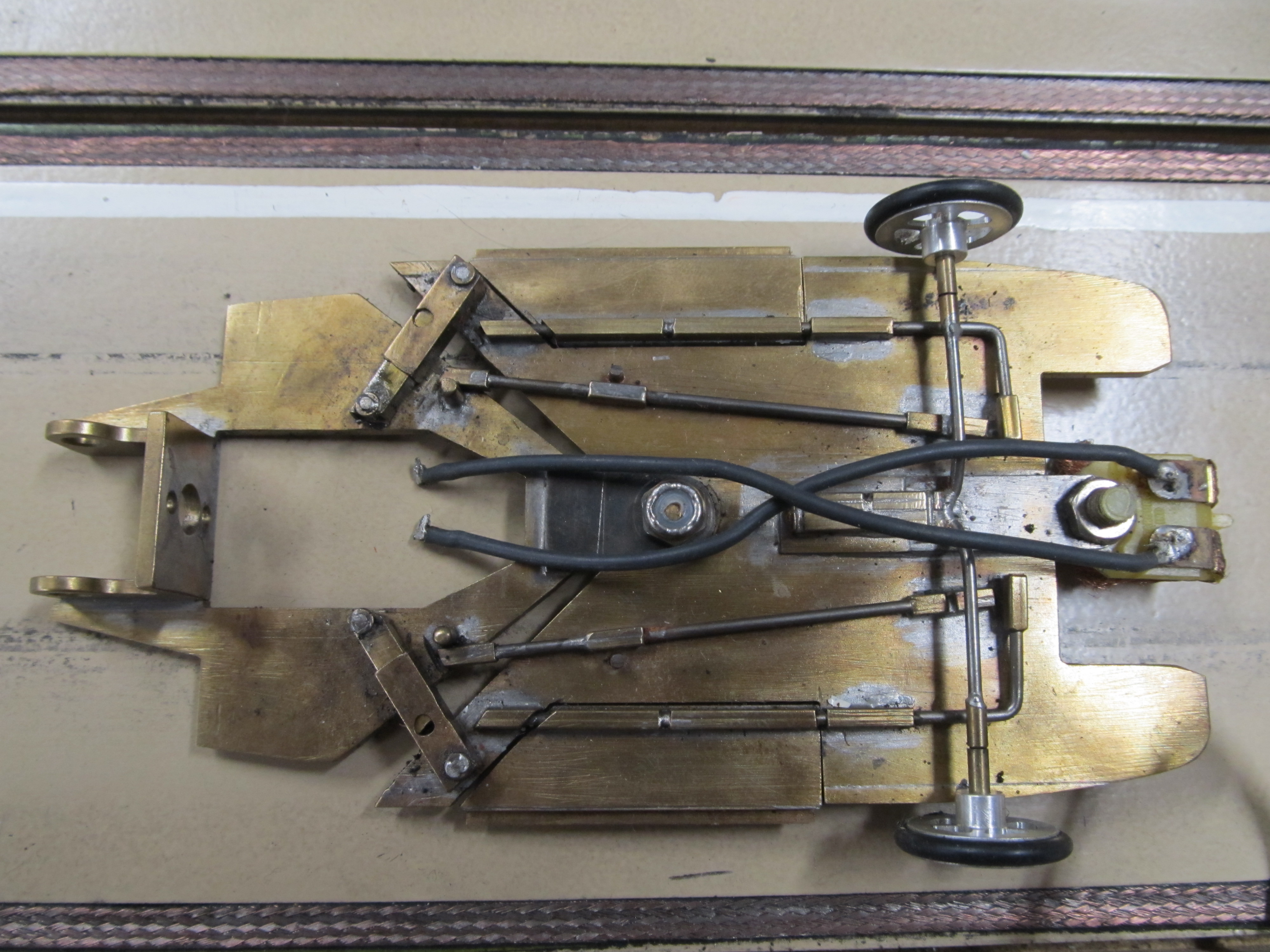
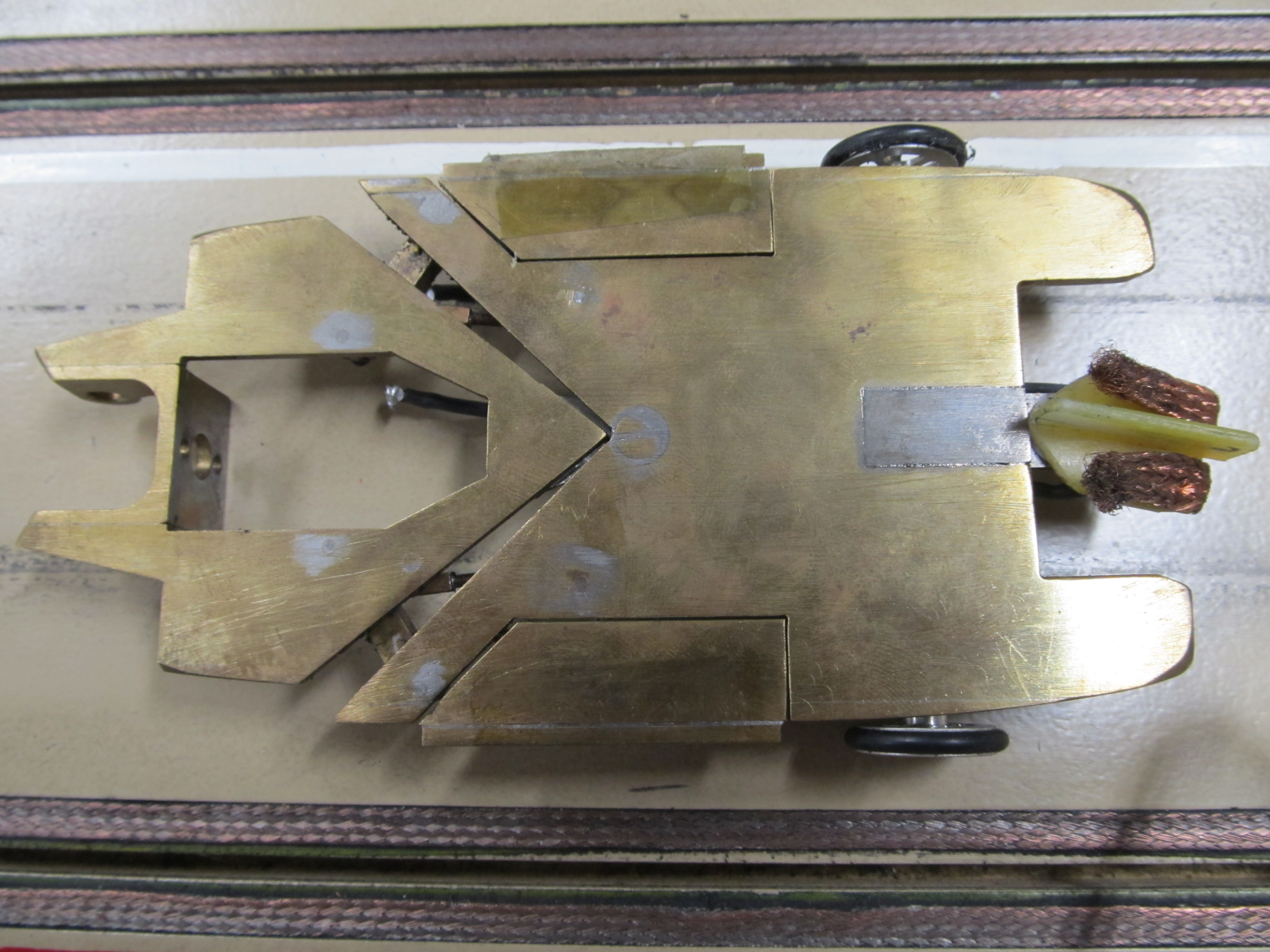
That really looks great Mitch! Chris' part too!
1,677 May 8, 2020 11:20 am
Re: 2020 Portland Adult Soapbox Derby, Scuderia Kouba, and YOU (3 replies, posted in NASTE)
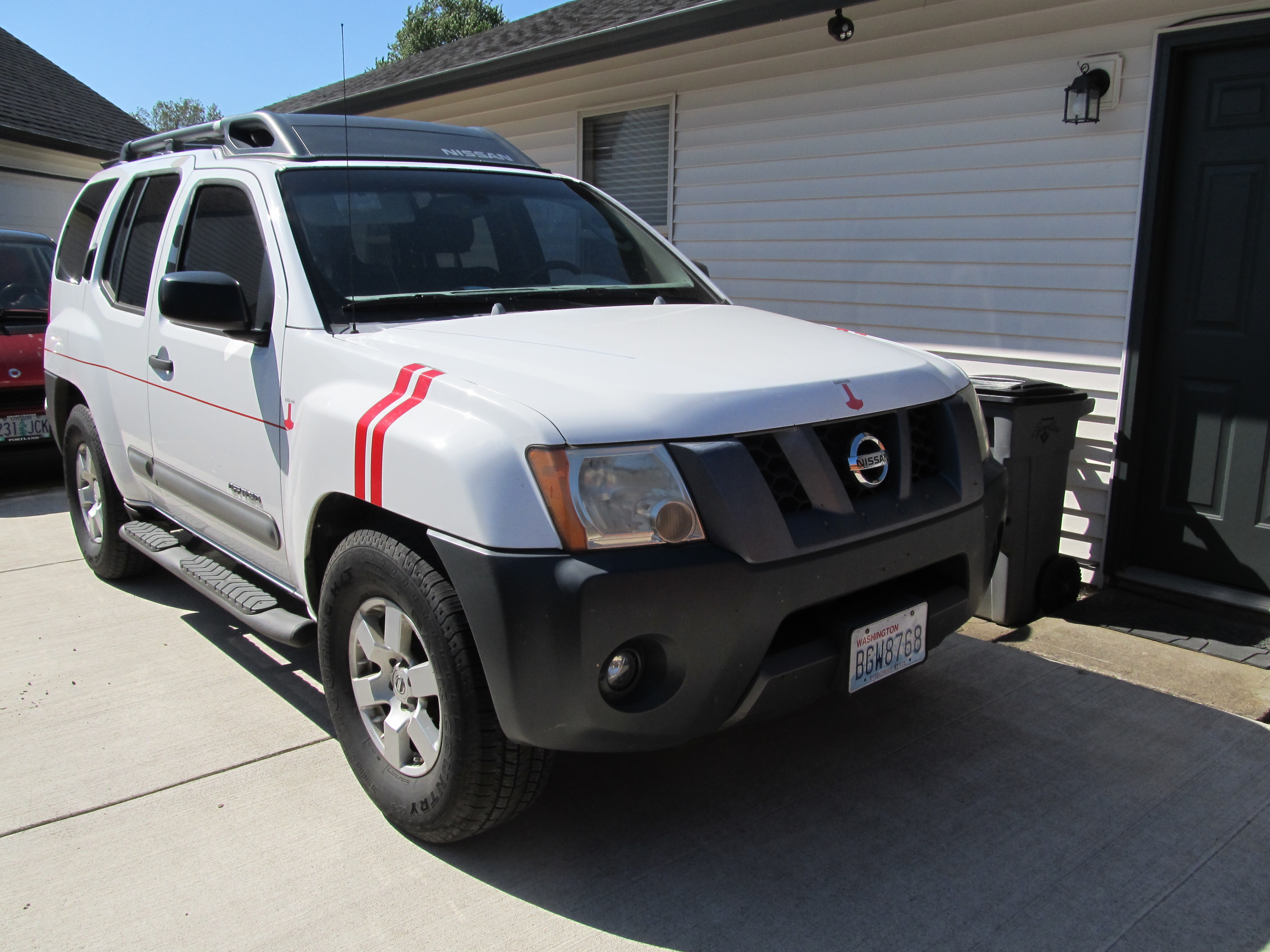
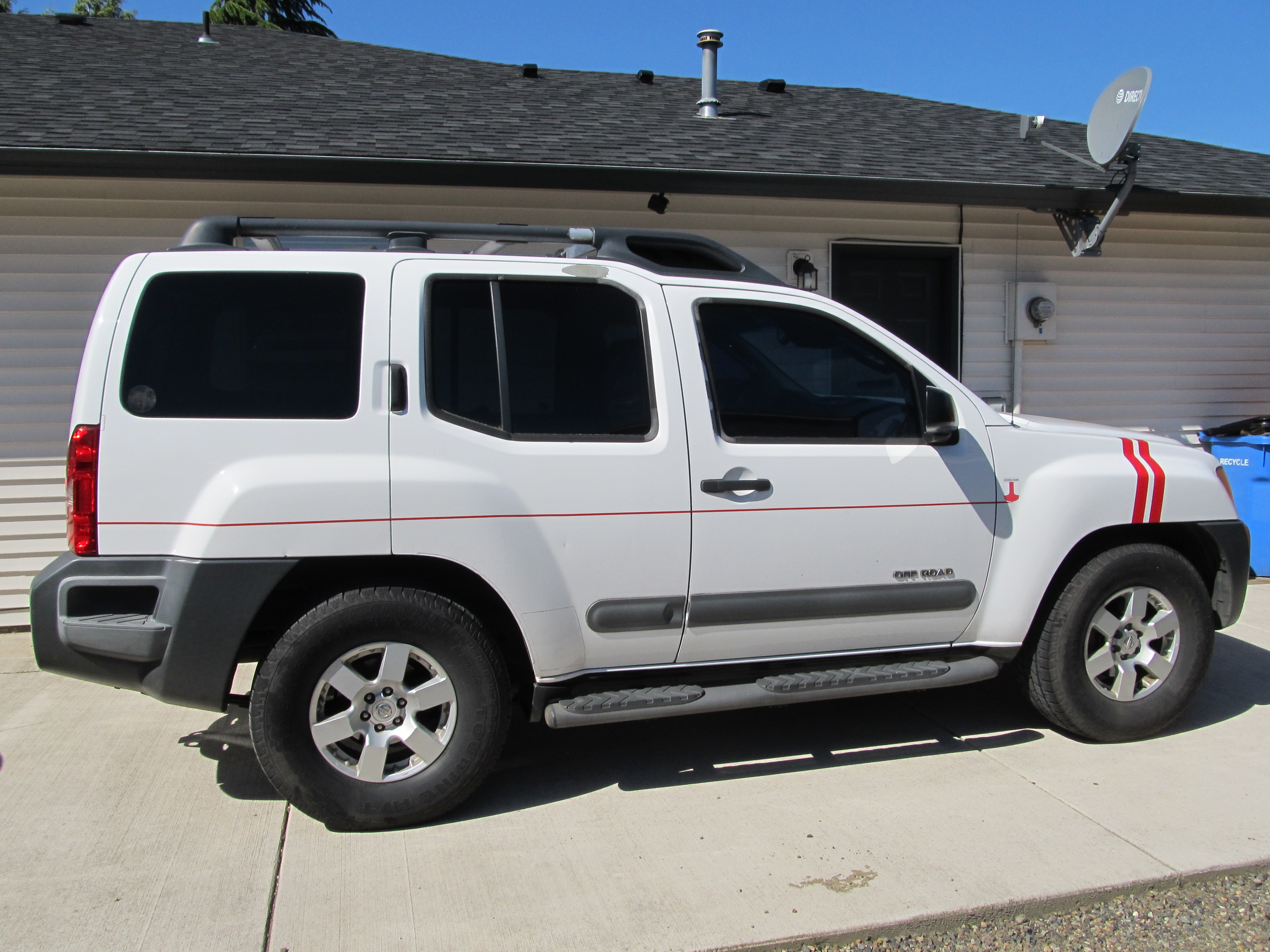
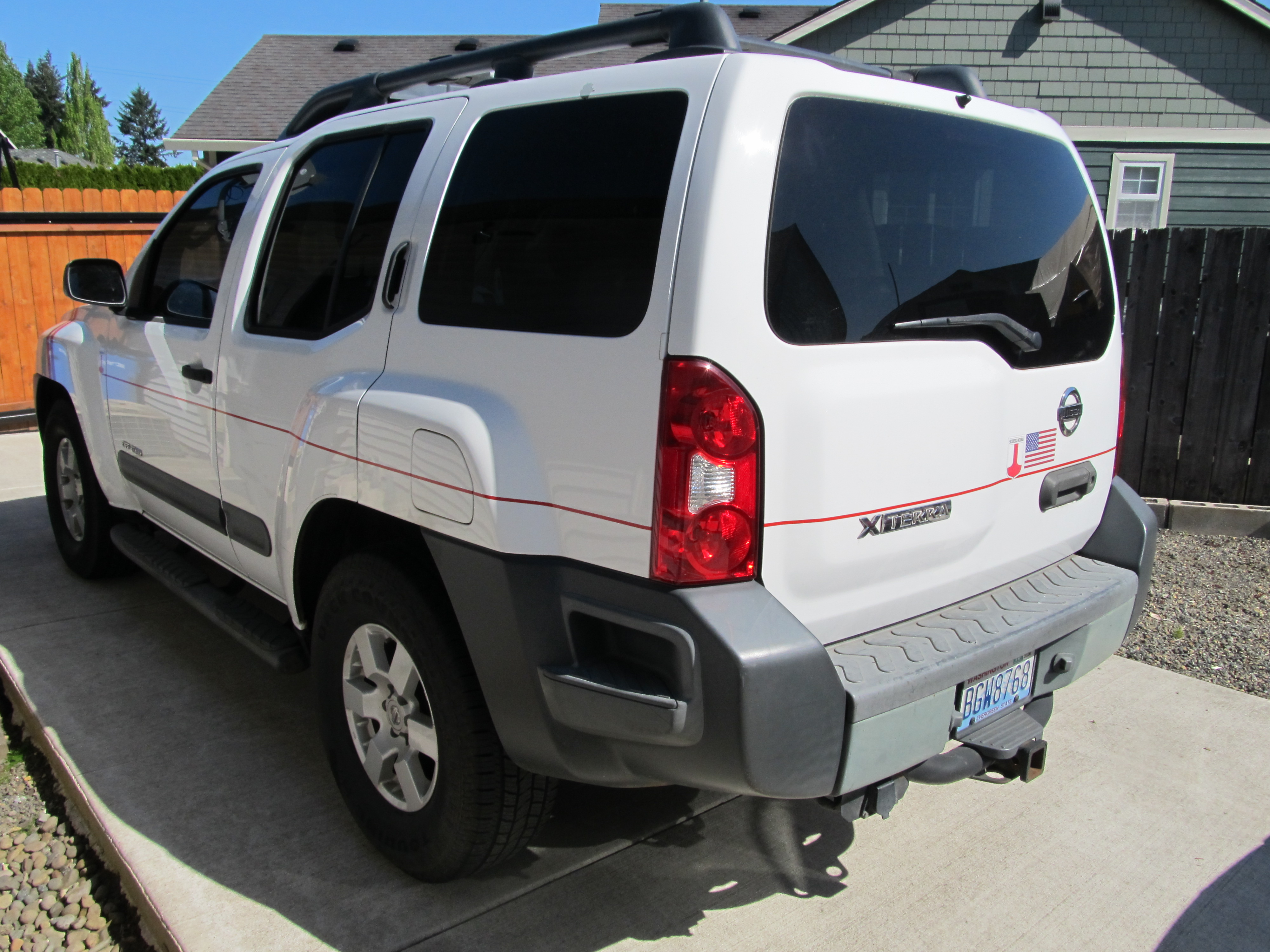
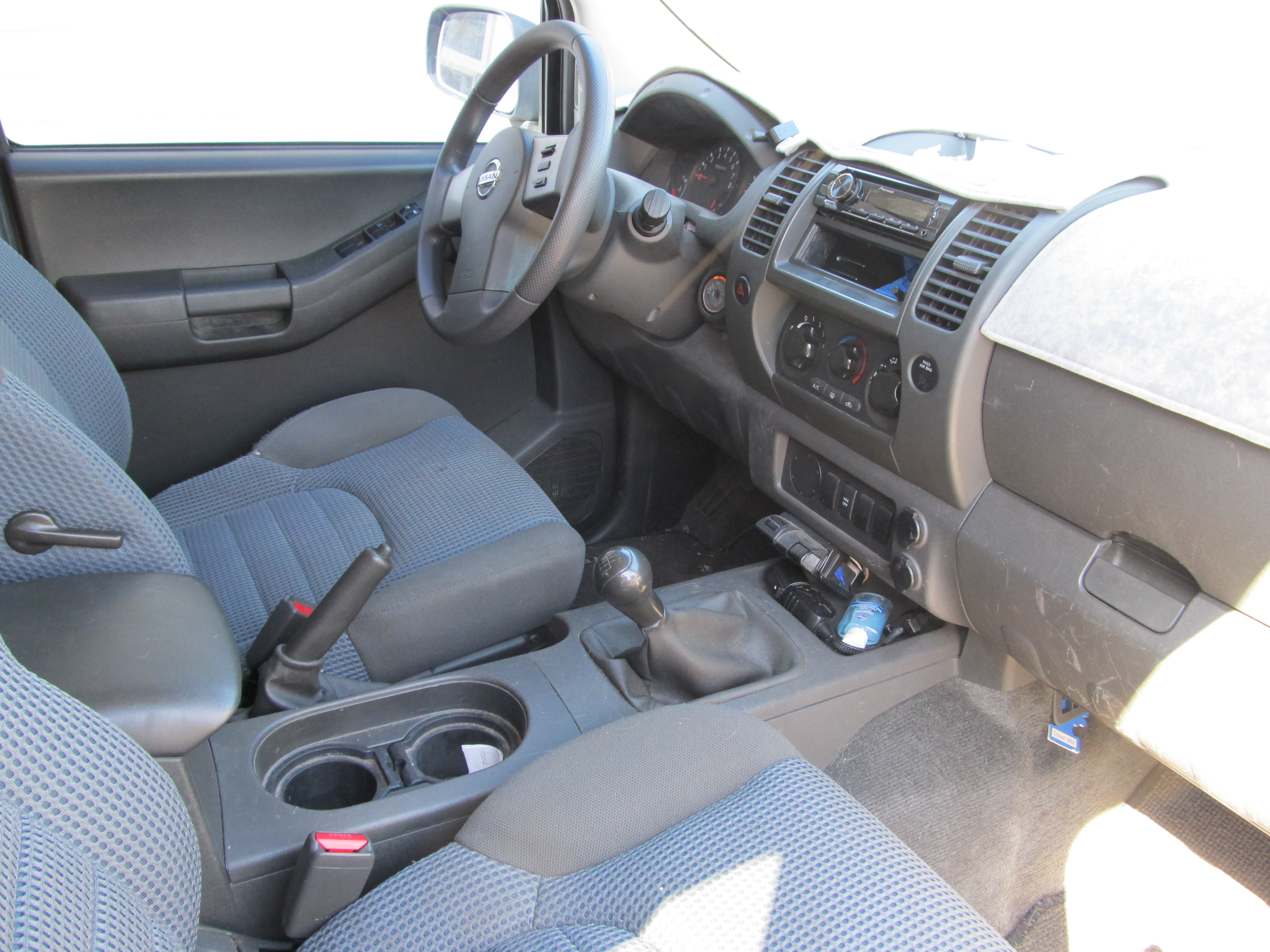
SOLD - Just in case anyone is looking for a really good, dependable, and inexpensive vehicle, the Scuderia Team rig is up for sale! It is a 2005 Nissan Xterra. This one is 2 wheel drive, NOT 4 wheel drive. It has a 280 HP rated V6 with a 6 speed manual transmission. It is set up for towing with a factory receiver hitch, seven pin wiring plug, and a trailer brake control. It has just over 107k miles on it. I have a folder with maintenance/service receipts. This vehicle needs nothing, it's ready to go! $3500.
Sold in less than an hour after listing on Craig's List!
1,678 May 8, 2020 11:02 am
Re: OSCAR Three Race Tournament In Planning Stage (16 replies, posted in OSCAR)
I'm not sure of the exact total, Bob Nakamura would know. When it was my turn to look there were probably still 20 or so available.
1,679 May 6, 2020 12:42 pm
Re: This is the Can Am page. (118 replies, posted in Rapid Raceway)
Thanks Dennis, I missed racing with you guys as well!
This virus thing, the social distancing, and self lockdown is a pretty sensitive subject here at my place. Diane does not bug me about it at all, but I know she has anxiety over it, and when I leave it makes her uncomfortable. She is so go about my slot car "habit" I don't feel like giving her any unneeded stress over my slot car activities. I figure there will be plenty of race time once this is all over. On the other hand being locked down has provided me with a lot more time for going through boxes of stuff in the shop. I really needed to clear up some space before I started into my track renovations. I am making good progress and once I'm done with the sorting and organizing I will be started on track updates.
1,680 May 6, 2020 5:49 am
Re: This is the Can Am page. (118 replies, posted in Rapid Raceway)
Nice job Zack, that's a beautiful car! Awesome photo too!
1,681 April 24, 2020 10:27 am
Re: Projects: Done/Not So Done (259 replies, posted in Rapid Raceway)
Doc...Black light race....we did it 1996 through 2001 at the Halloween Races....Did a couple with a strobe light also.......results were interesting although not so good!.....
Howie.....I'd do the night race at your place again! I like the Lola T70 idea! How about vintage Le Mans?
1,682 April 23, 2020 1:06 pm
Re: Projects: Done/Not So Done (259 replies, posted in Rapid Raceway)
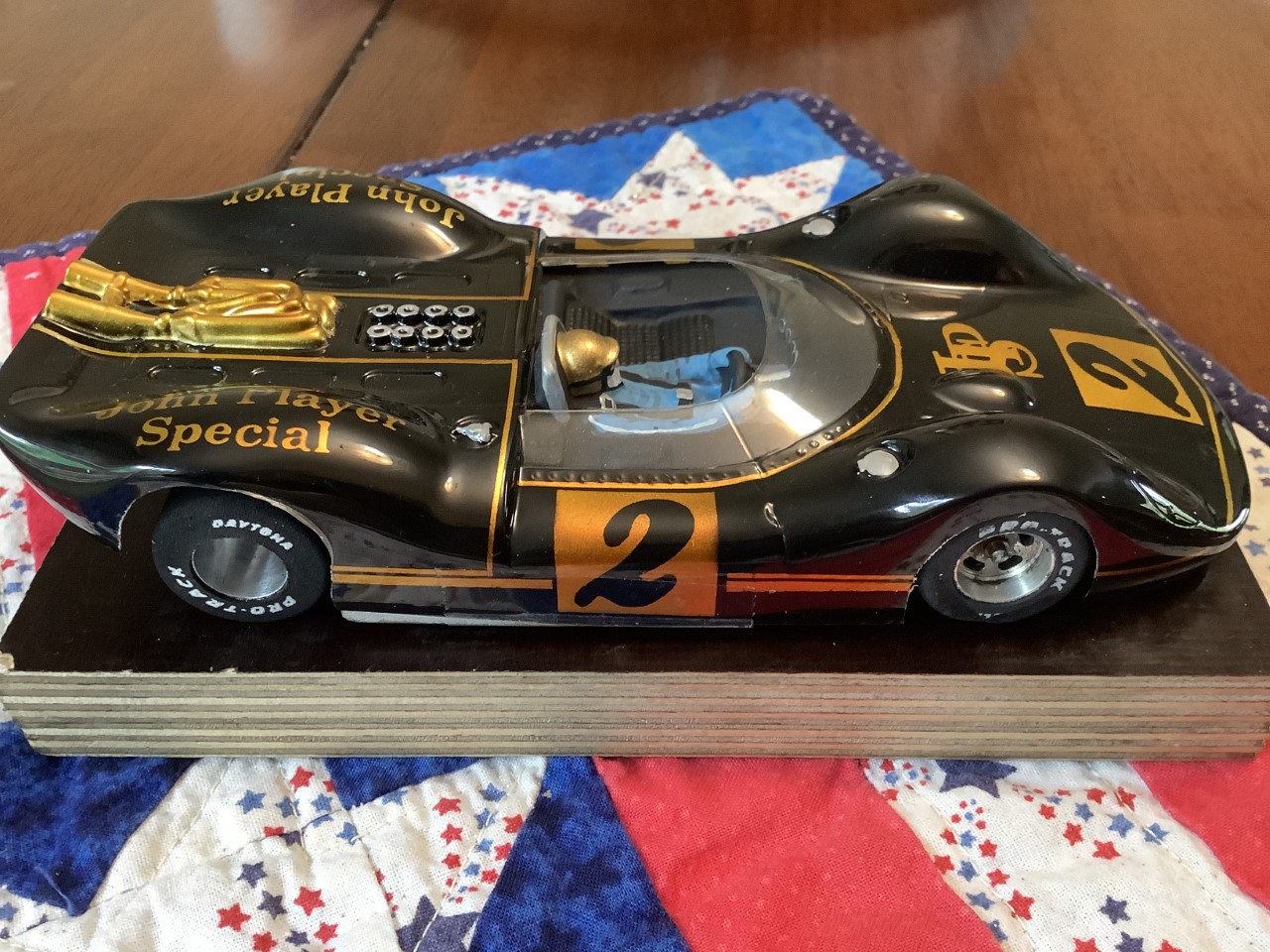
John Gill's new Lotus sporting a Jairus Watson paint job! Pretty nice I'd say!
1,683 April 22, 2020 6:14 pm
Re: OSCAR Three Race Tournament In Planning Stage (16 replies, posted in OSCAR)
Thanks Zack and Howie for offering to supply loaners!
1,684 April 22, 2020 4:52 pm
Re: WTB. LATE MODEL NASCAR (6 replies, posted in Rapid Raceway)
Zack, I have a body. In fact I think I have a Fusion or a Chevy. Both bodies are used and have been painted. they are both ugly and need to be re-painted and spruced up a bit. But hey, they're CHEAP....Either one ZERO $ to you!
=======Bill
1,686 April 22, 2020 6:02 am
Re: OSCAR Three Race Tournament In Planning Stage (16 replies, posted in OSCAR)
I think I can come up with loaner cars. Worst case scenario we have to share a couple cars, but with Zack and Chris in our pit area I'm sure we can keep them going the distance!!!
I'll see if I can get some firm dates.
1,687 April 21, 2020 9:03 pm
Re: OSCAR Three Race Tournament In Planning Stage (16 replies, posted in OSCAR)
That makes two of us so far Zack.
1,688 April 21, 2020 5:56 pm
Topic: OSCAR Three Race Tournament In Planning Stage (16 replies, posted in OSCAR)
I received a phone call today from our friends in Bend. They are in the early stages of planning a three race tournament at Tom's World huge 1/24 three lane track. Each race will be for a specific class of hardboy cars, one sportscar, one NASCAR, and one Econo Car, all per OSCAR rules. Tom's track is very challenging, and very fast with a 180 degree banked turn at the end of an extremely long straight. The infield section features a bridge and some tight turns. The local hot shoes Tom and Curt will be racing with a 20 lap handicap to help even the field. The tentative date for the first race is middle of May, depending of course on current "lock down" status. They are hoping to get five racers from outside the normal OSCAR community. I would be willing to do the driving for one car pool. Anybody interested in making the trip?
1,689 April 11, 2020 9:27 am
Re: In Search of (19 replies, posted in Cars)
I believe the urethane tires have a longer shelf life, that's what appeals to me for the old vintage cars. I have a lot of old vintage cars that don't get run often. With urethane tires I can pull the cars off the shelf and put them on the track, even if just once every couple years, and they will run around the track fine. No sanding or doping of the tires required.
1,690 April 11, 2020 7:55 am
Re: In Search of (19 replies, posted in Cars)
I had no idea about the 1/24 NSR tires either! Thanks Mitch!
1,691 April 10, 2020 8:18 pm
Re: In Search of (19 replies, posted in Cars)
I don't think any NSR tires are going to fit those wheels......BOSA makes a few different tires that will fit for vintage 1/24 cars.
In fact it looks like you have BOSAs on there now. There are also some narrower ones available.
1,692 April 10, 2020 4:36 pm
Re: In Search of (19 replies, posted in Cars)
Nice job Rico!................I have EVEN WIDER tires!!!!
1,693 April 8, 2020 12:48 pm
Re: My "lockdown" projects. (38 replies, posted in Cars)
I think that chassis will work fantastically! What motor will it use?
1,694 April 8, 2020 12:45 pm
Re: Bill's Junk (240 replies, posted in Slot Talk)
This box was an Ebay win, but it needs some repair work as it was damaged in shipping.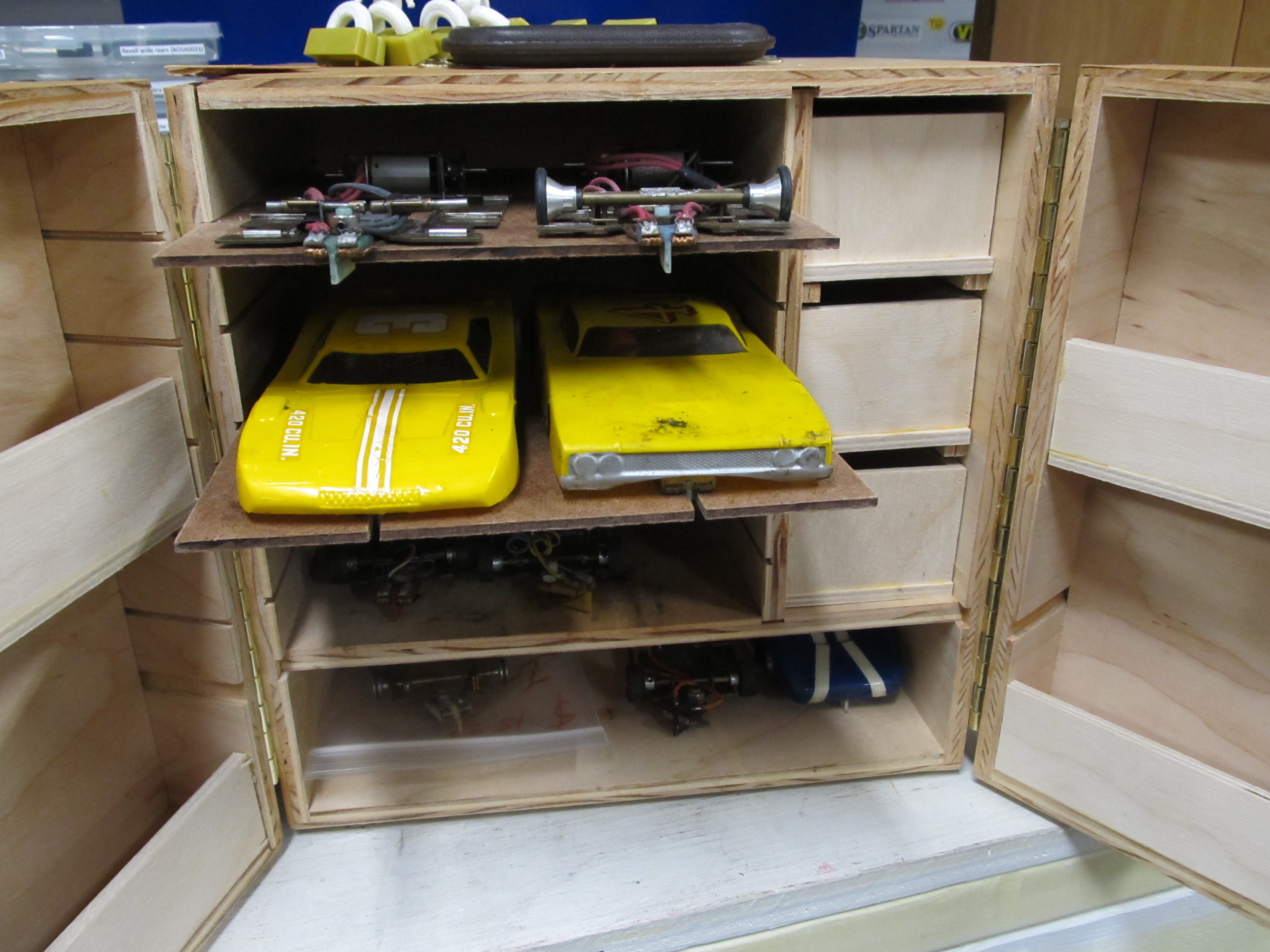
This box I bought from Terry Abbott. It is unique in style and holds a lot!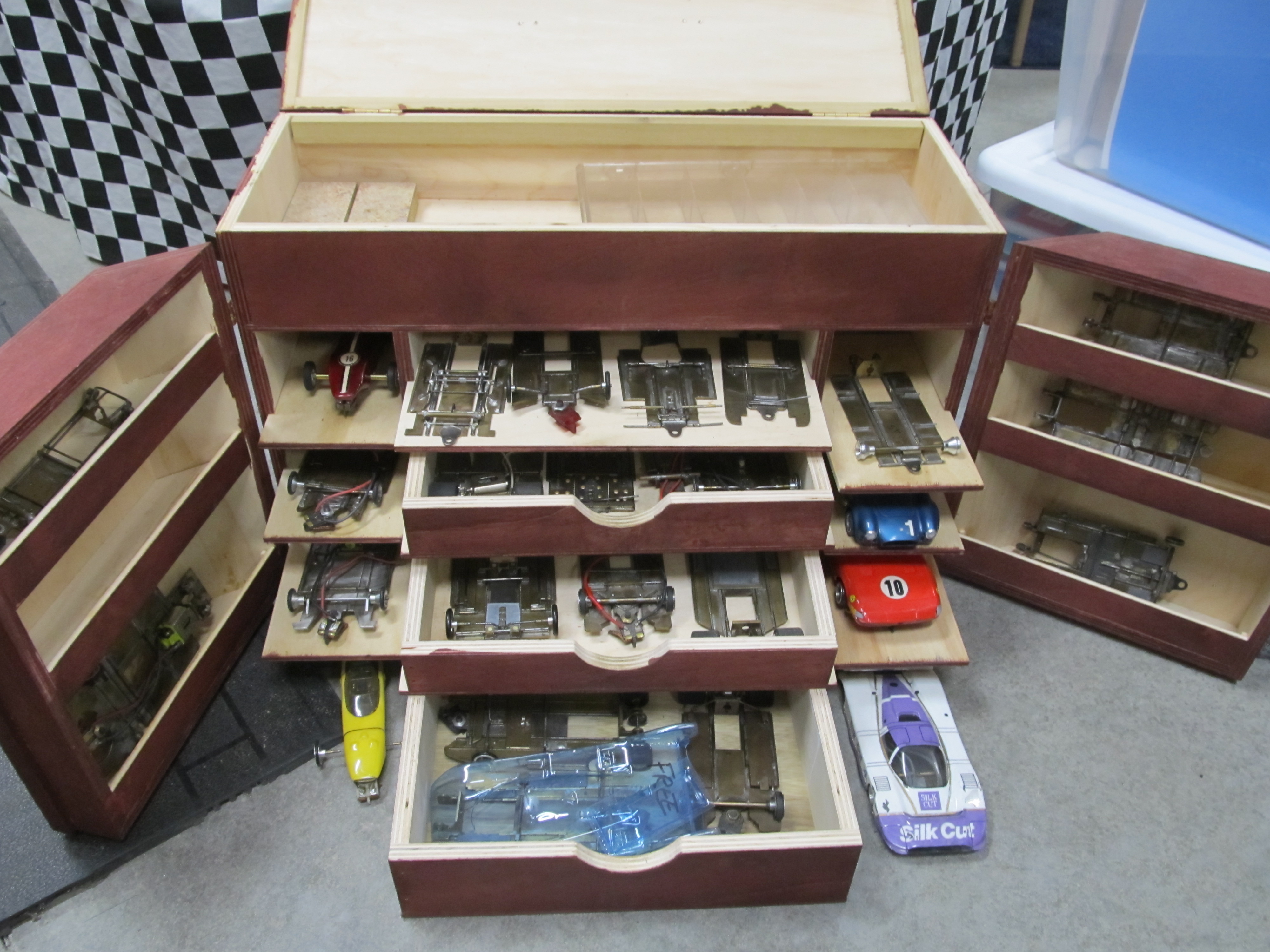
1,695 April 8, 2020 12:42 pm
Re: Bill's Junk (240 replies, posted in Slot Talk)
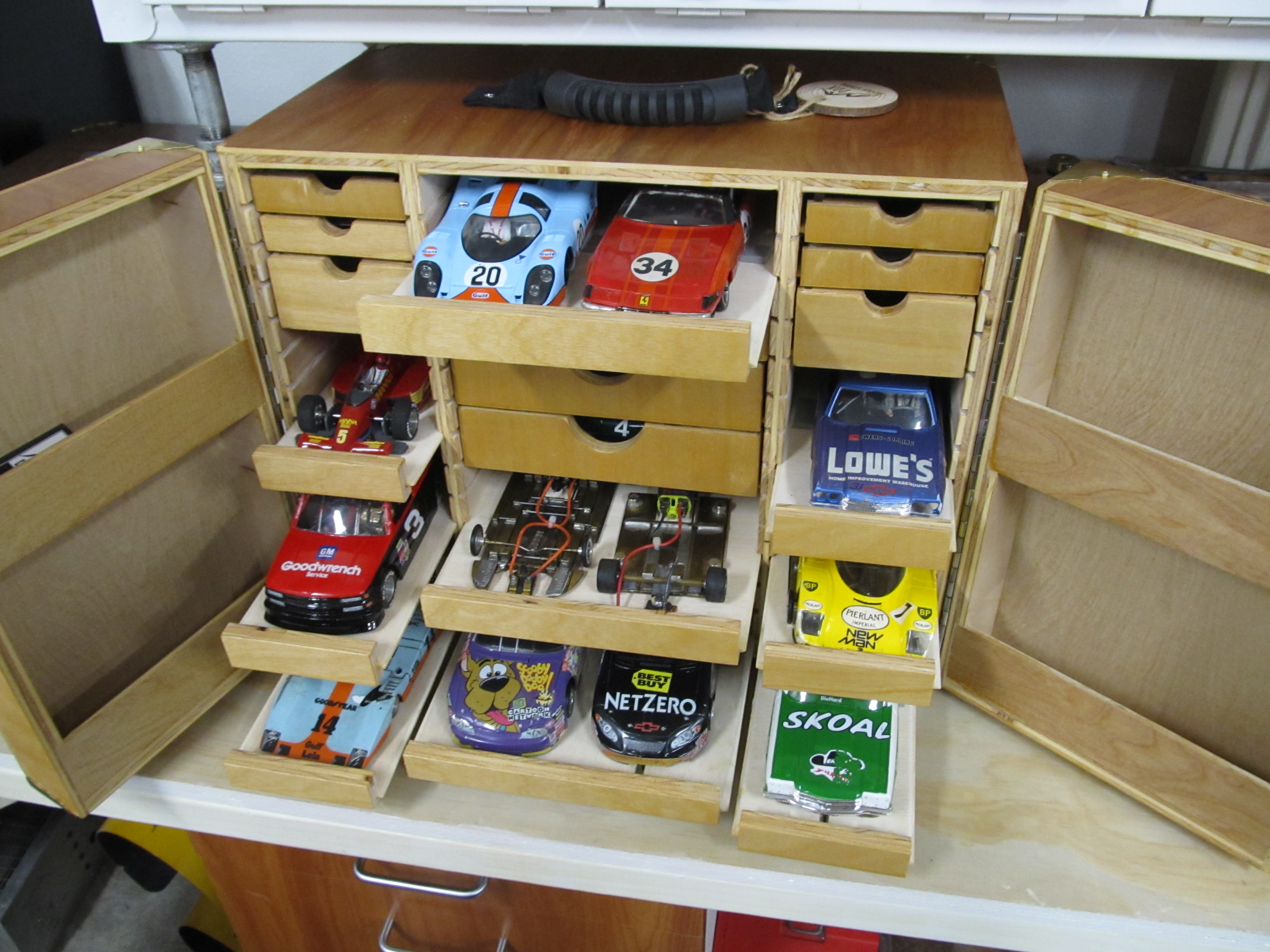
This is my newest "new" box. Zack set me up with his buddy that built this box for me. He did an outstanding job on this box and it is also one of my favorites, earning a special spot next to the track.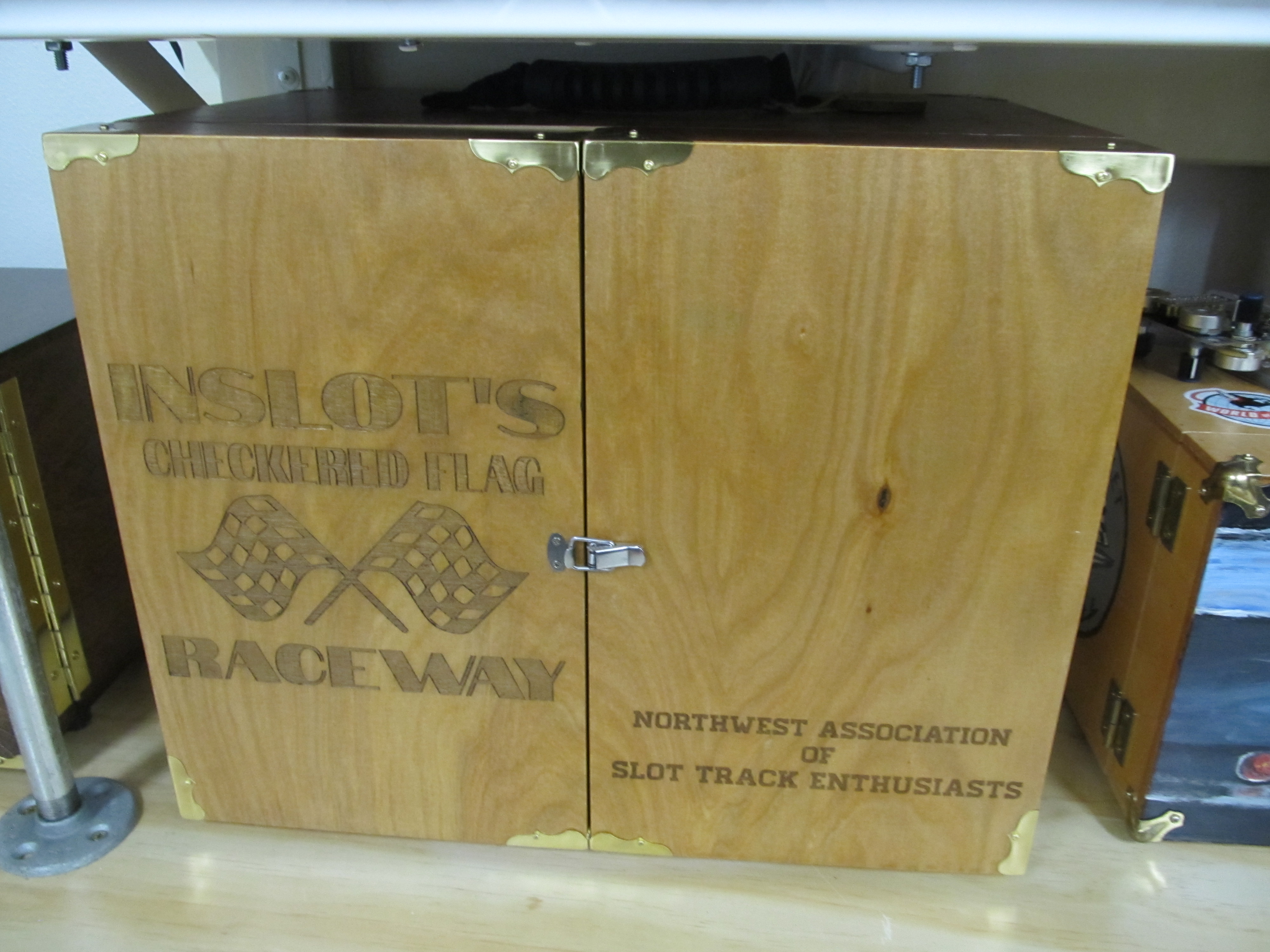
This was a box Goose had. I gave his son the box Goose used to pack to the races. I think he probably used this one for his RC car racing and stuff.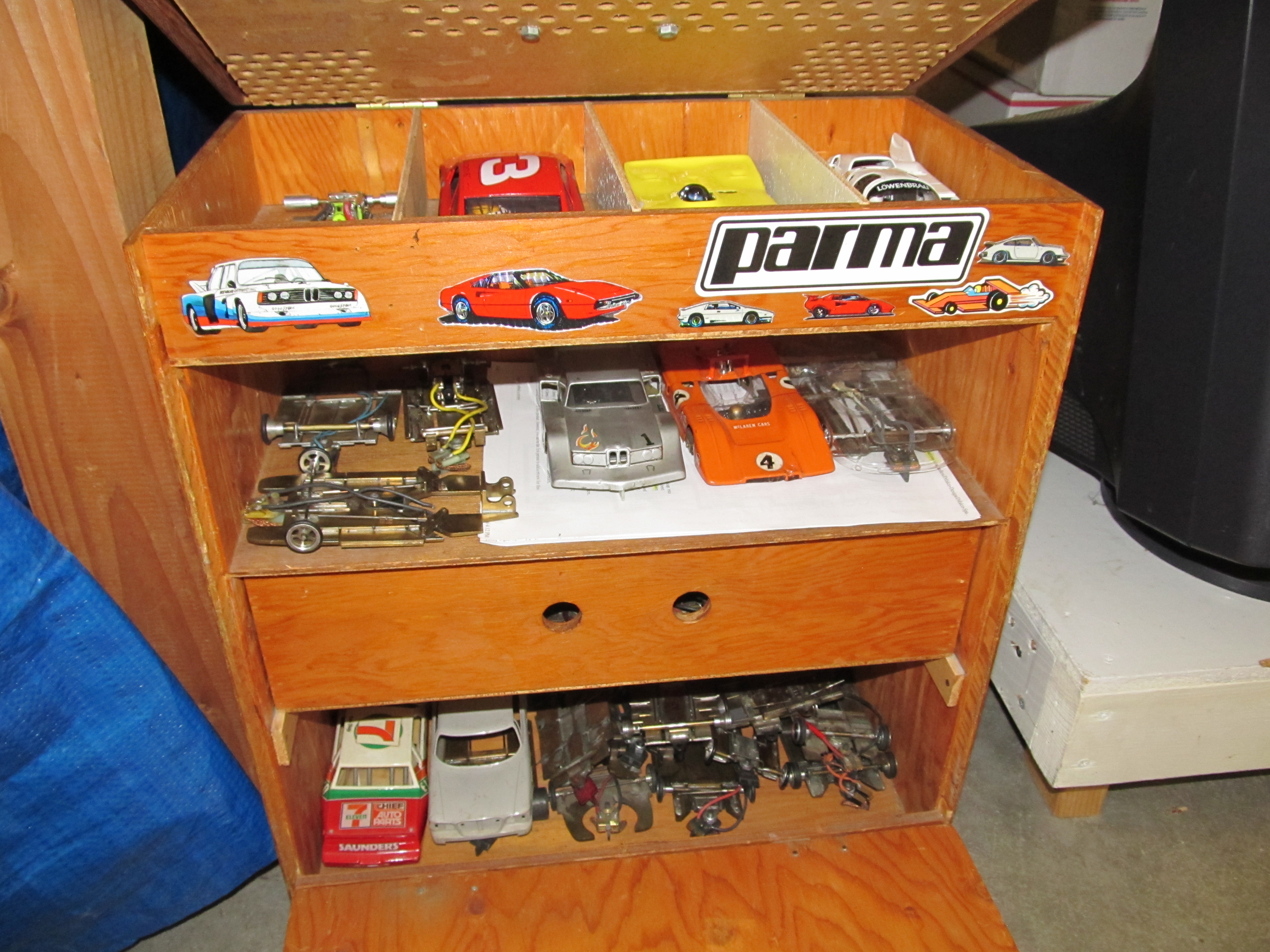
1,696 April 8, 2020 12:36 pm
Re: Bill's Junk (240 replies, posted in Slot Talk)
This is another box I have had for many years. I used it in the early 80's as my race box for racing in Wilsonville with the PASER club. It got a little refinish work a few years ago and I added the vintage slot car magazine ads. 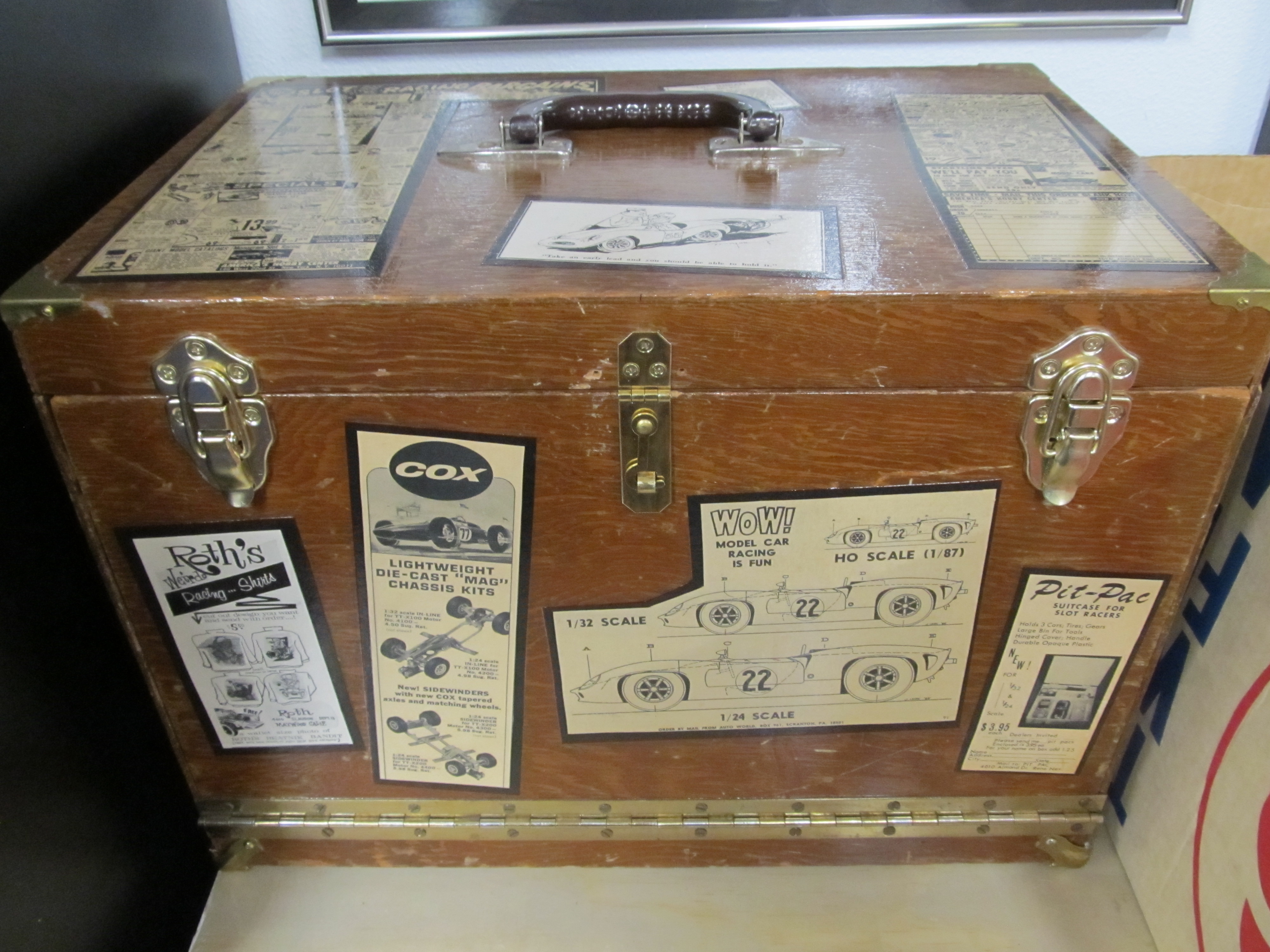
This box is very near and dear to me. I owned a 1965 Corvette Stingray convertible when Rico's son AJ hand painted this box for me. He is an outstanding artist. This box has a special place trackside at Inslot's Checkered Flag Raceway!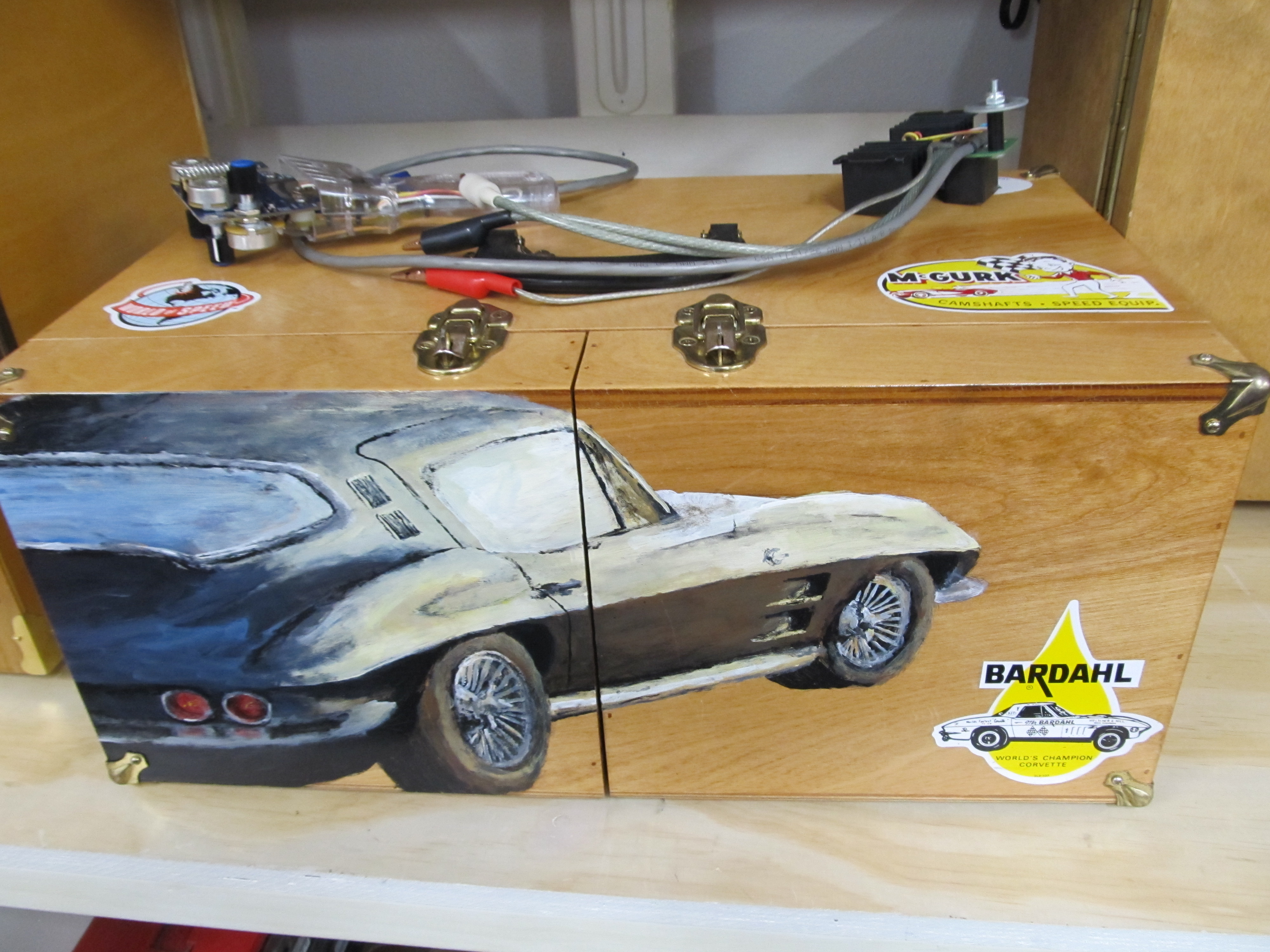
1,697 April 8, 2020 12:30 pm
Re: Bill's Junk (240 replies, posted in Slot Talk)
I've got a little room left in this slot car box which is good because I still have many packed boxes to sort through.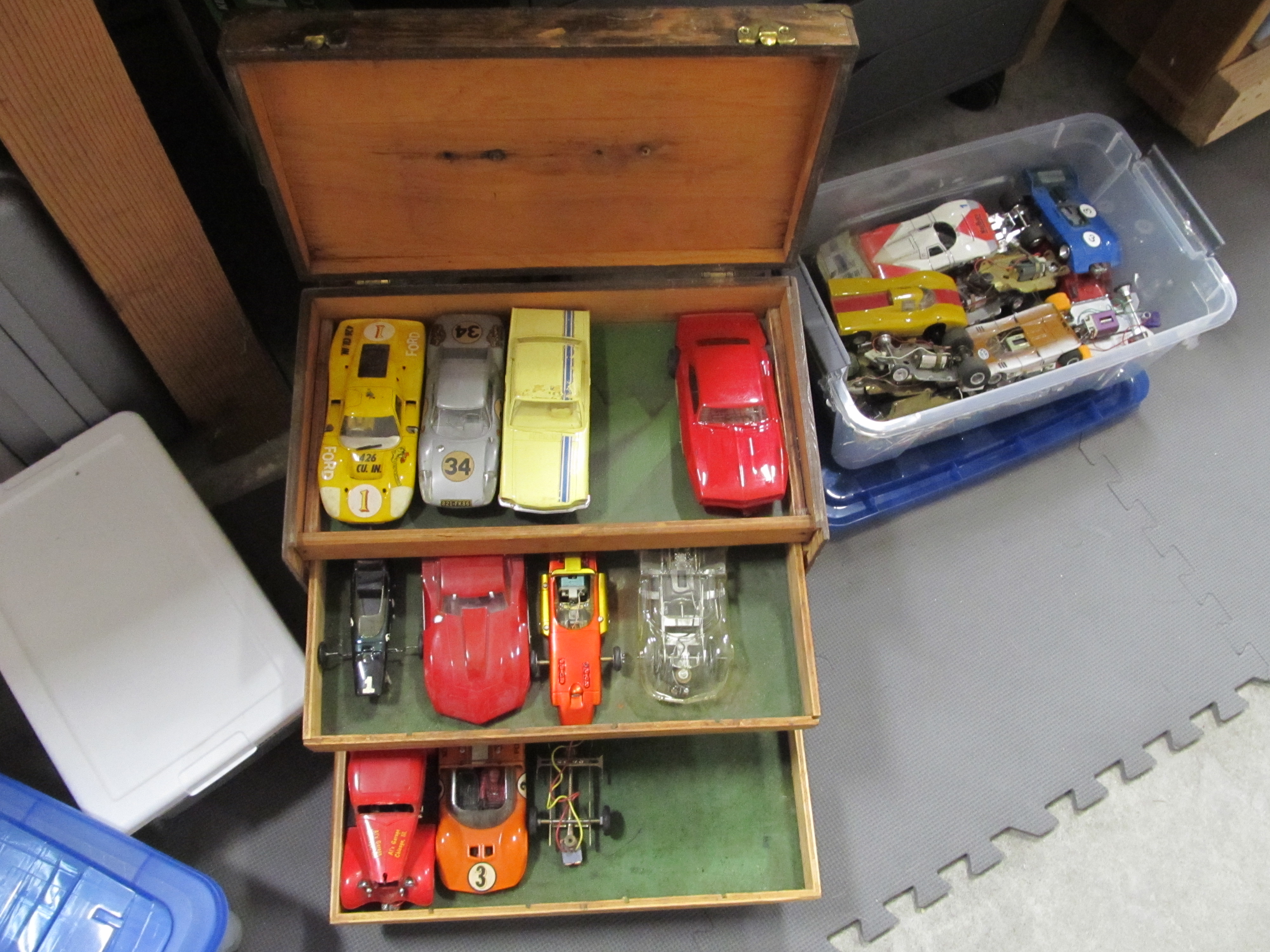
No this does not count as a slot car box! This is the Womp bucket, cars and parts to be soon resurrected for use at Inslot's Checkered Flag Raceway!
I'm not sure where exactly I picked this box up, but it works well for my NASTE Odd Thursday Night 1/32 race box.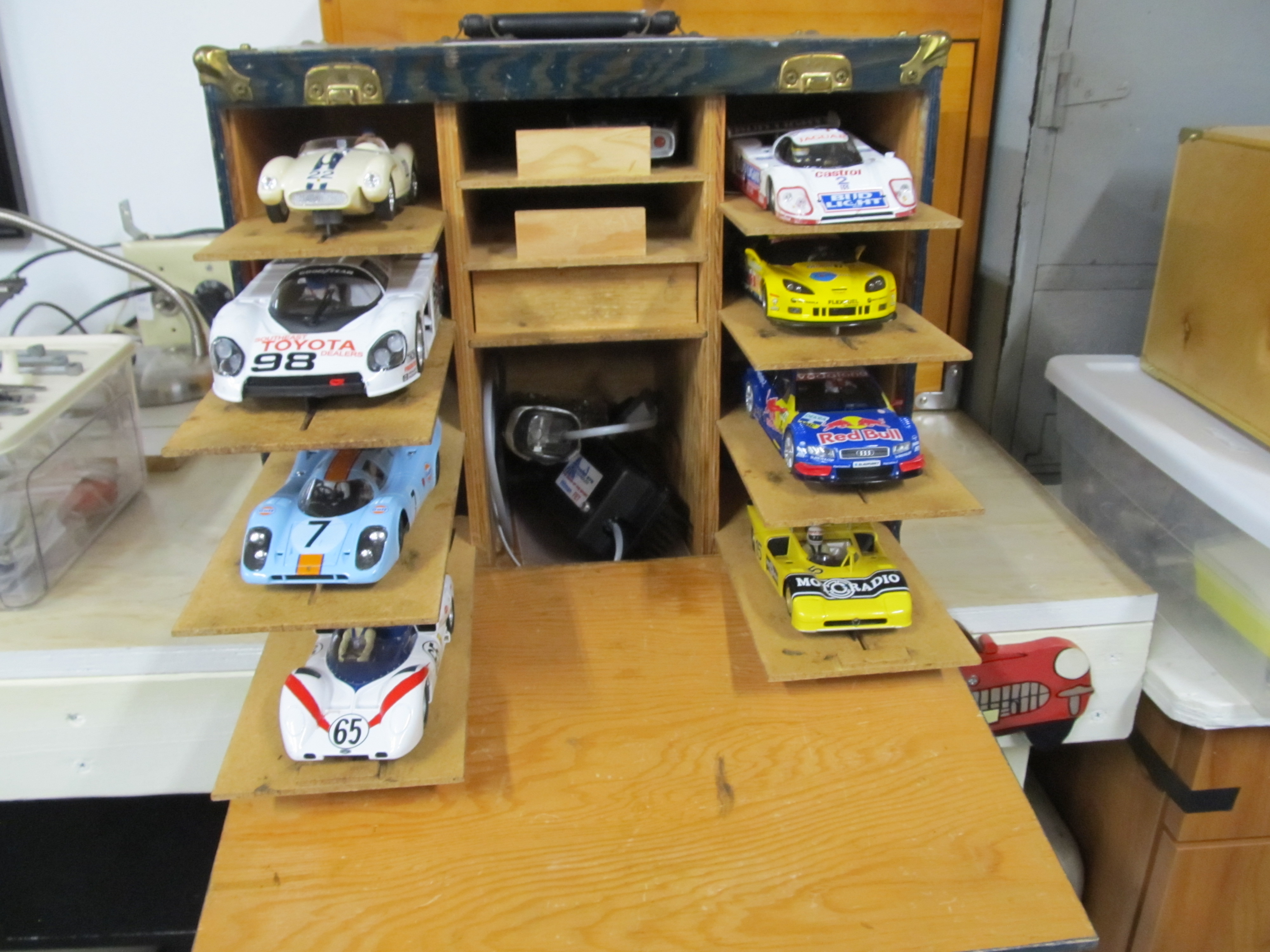
1,698 April 8, 2020 12:25 pm
Re: Bill's Junk (240 replies, posted in Slot Talk)
I've been asked many times; "just how many slot car boxes do you have?" Well, I'm not really sure, but here's twelve of them:
The box to the right of this opened one with cars in it belonged to Jerry Gaston. I acquired Norton Gaston's collection of cars he and his father Jerry had raced in the 1960's in Southern California. The cars in this box are a mixed assortment of cars I've picked up over the years and a few that were Goose's.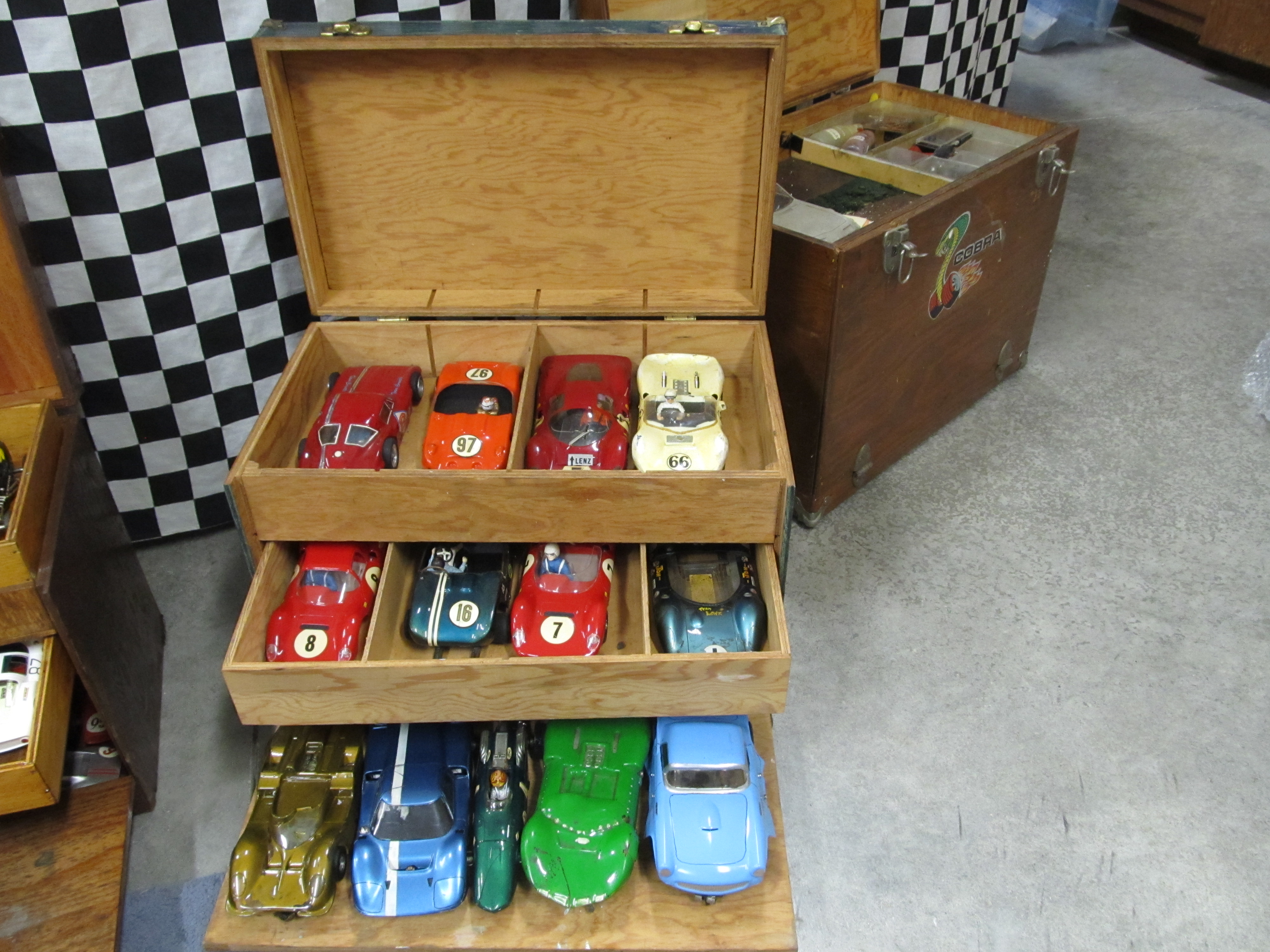
Some later model 1/32 cars as well as some vintage cars.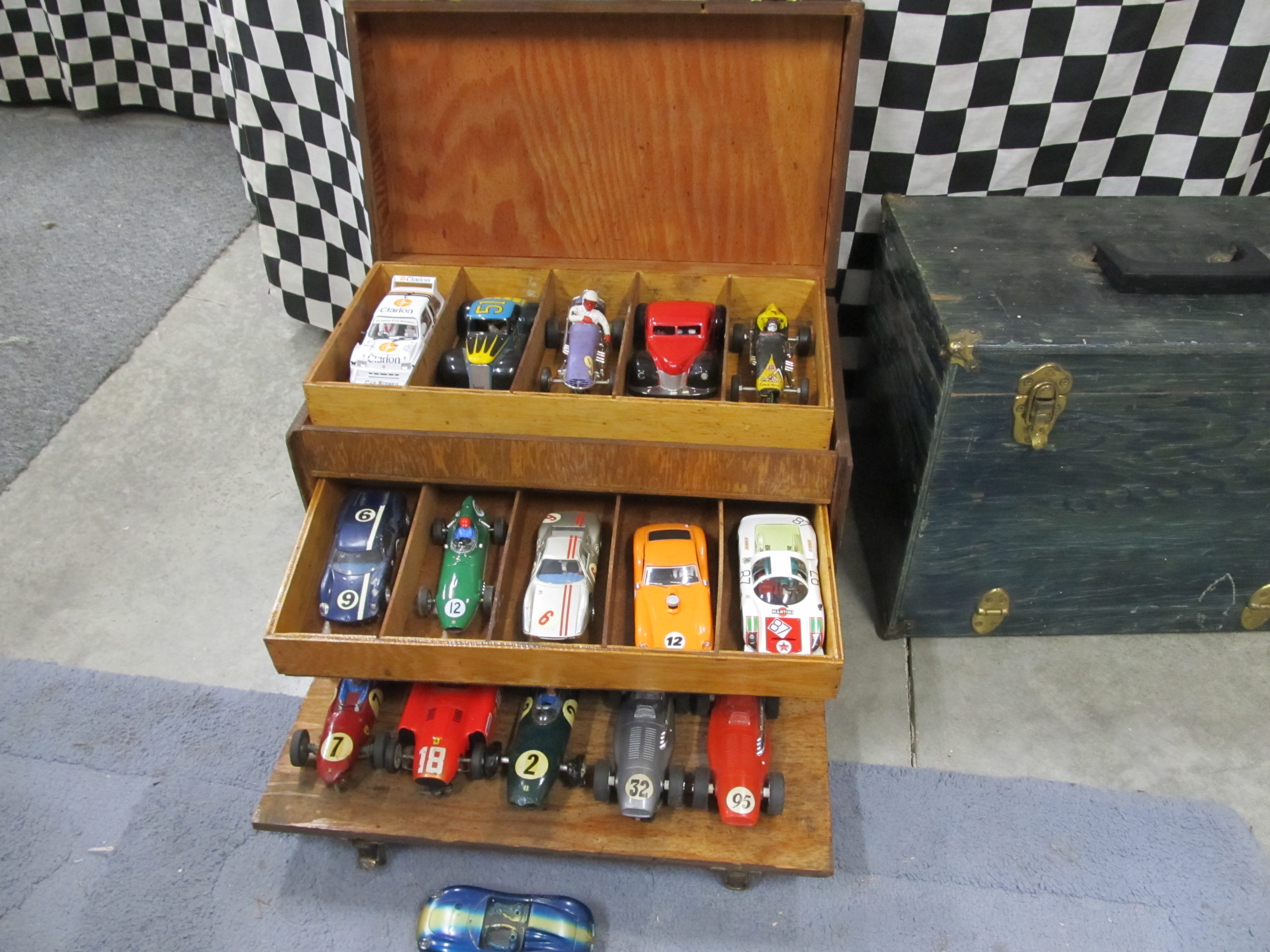
I've had this box for many years. It now houses some flexi type cars for use on Inslot's Checkered Flag Raceway. The Flexi type cars make great loaner cars for new racers and neighbors!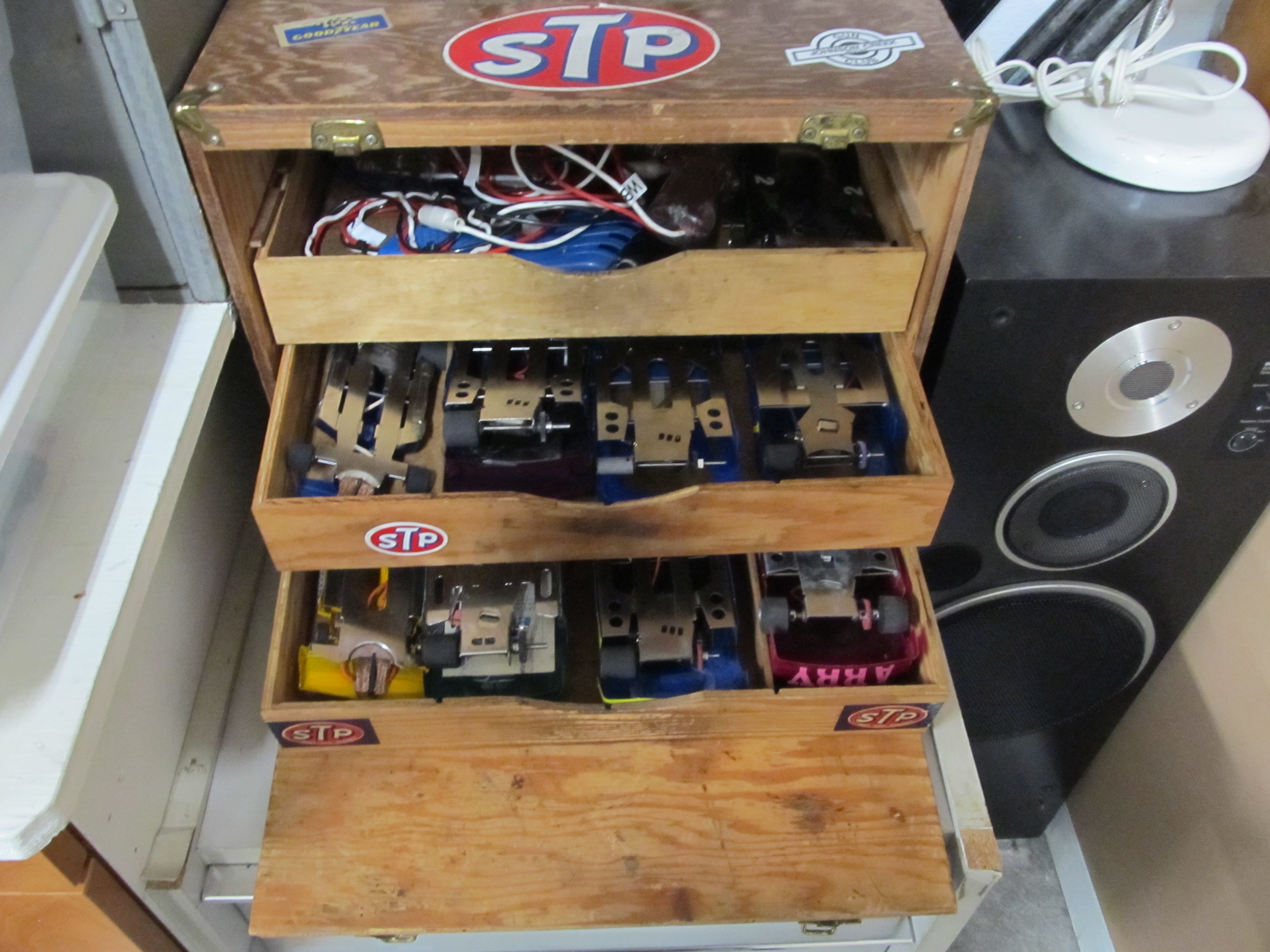
1,699 April 8, 2020 12:15 pm
Re: Bill's Junk (240 replies, posted in Slot Talk)
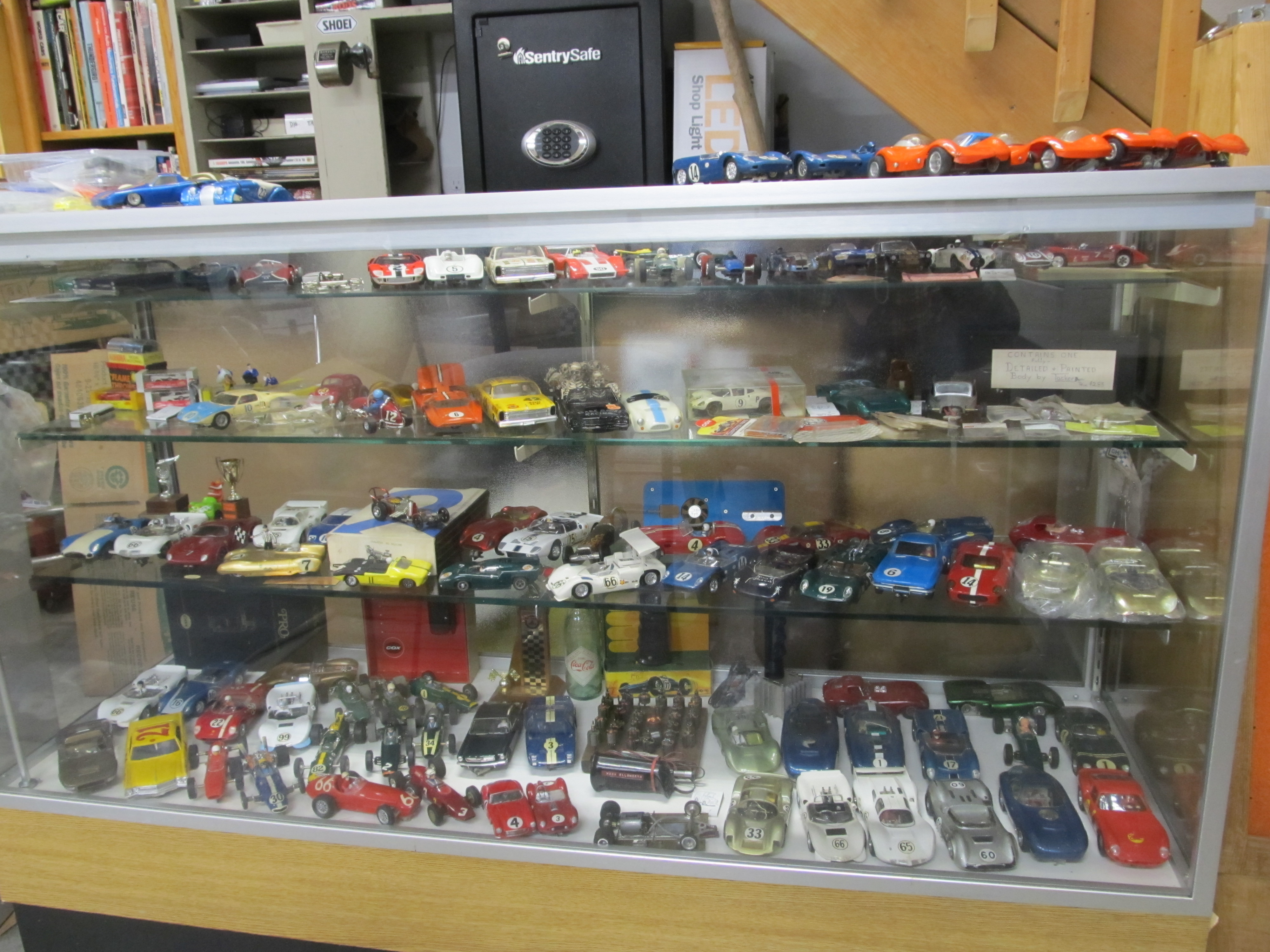
With Coronavirus still in play I've been going through boxes in the shop. Boxes still unpacked from my move two years ago as well as boxes of Goose's stuff from his estate. As I empty the boxes I do my best to find a place for everything and get it all put away. Here's an updated photo of my display case:
1,700 April 8, 2020 12:04 pm
Re: PASER Co-founder Bob McFarland (27 replies, posted in PASER)
And the best for last! Check this baby out! I'm thinking Bob built this chassis after seeing one of Parma's Scorpion chassis. The Scorpion had a similar center pivot for the rear end. But look at the innovation in Bob's design. The steel wire arms and the square tubing inside the tubing help locate and dampen the movement of the rear section. It all moves very precisely! Amazing!